
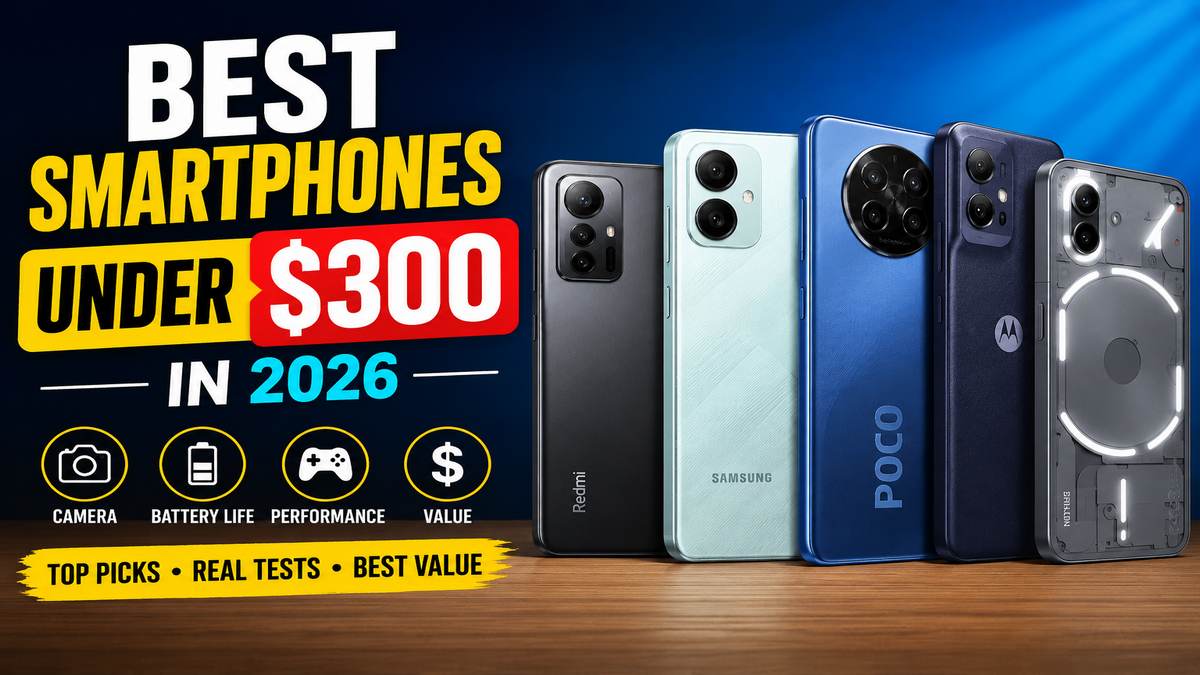
A few years ago, buying a phone under $300 usually meant accepting major compromises – weak cameras, slow performance, poor displays, or terrible software support. In 2026, that’s no longer true.
Budget smartphones have improved faster than most people realize. Some now offer AMOLED displays with 120Hz refresh rates, surprisingly capable gaming performance, fast charging, and cameras that can genuinely compete with older flagship phones.
But after testing dozens of devices over several weeks, one thing became obvious: specifications alone don’t tell the full story.
Two phones might both advertise a “120Hz display” or “50MP camera,” yet feel completely different in daily use. One phone may open apps faster, stay cooler during gaming, or produce more natural photos despite having similar hardware on paper.
That’s exactly why this guide focuses on real-world experience rather than marketing numbers.
I tested these smartphones across daily multitasking, gaming, video streaming, camera quality, battery endurance, charging speed, and long-term usability to determine which devices are actually worth buying in 2026.
If you’re shopping on a budget, these are the phones that truly stand out.
Quick Comparison Table
| Phone | Best For | Why It Stands Out | Starting Price |
|---|---|---|---|
| Samsung Galaxy A16 5G | Best Overall | Most balanced experience with strong software support | $249 |
| CMF Phone 2 | Best Design | Premium feel with clean Android software | $279 |
| Redmi Note 15 | Best Battery Life | Easily outlasts most phones in daily use | $269 |
| Moto G Power 2026 | Best Endurance | Massive battery built for heavy users | $229 |
| POCO X7 | Best Gaming | Better gaming stability and smoother frame rates | $299 |
| OnePlus Nord N40 | Best Software Experience | Fast, lightweight, and polished interface | $289 |
1. Samsung Galaxy A16 5G – Best Overall Smartphone Under $300
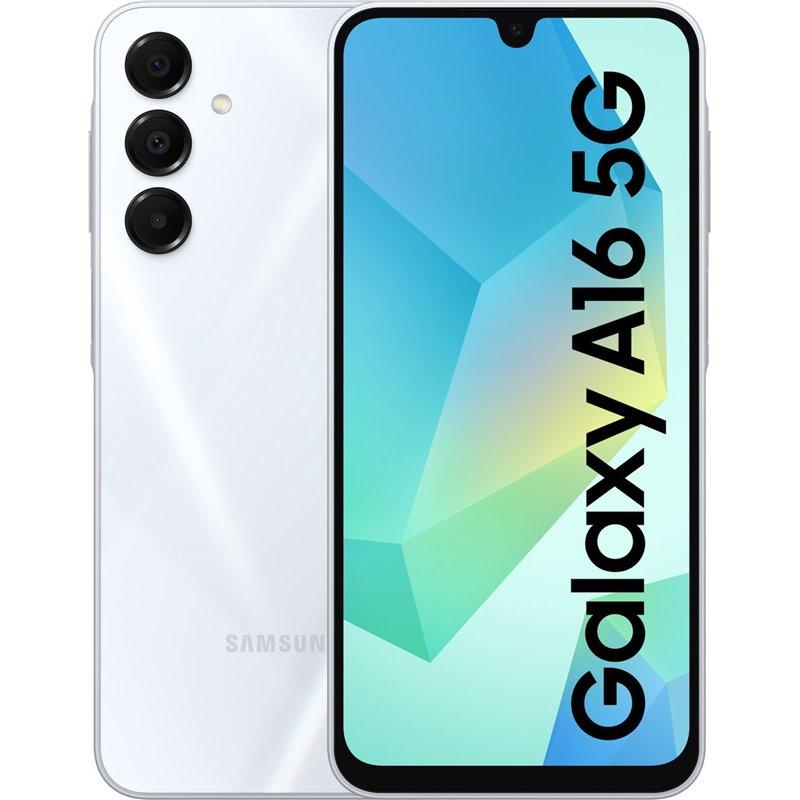
The Samsung Galaxy A16 5G isn’t the most powerful phone here, and it doesn’t have the biggest battery or fastest charging. What makes it the best overall choice is balance.
During testing, it consistently delivered the fewest frustrations. Apps opened reliably, multitasking felt smooth, and the phone rarely became warm during extended use. That matters more in daily life than benchmark numbers most people never notice.
Samsung’s AMOLED display also looks noticeably better than the LCD panels used by cheaper competitors. Watching YouTube videos or scrolling social media simply feels more premium because colors appear richer and blacks look deeper.
Where Samsung really separates itself is software support. Many budget phones feel good at launch but age poorly after a year or two due to inconsistent updates. Samsung’s longer update policy gives the Galaxy A16 5G better long-term value than most phones in this price range.
The camera system also performs more consistently than expected. While the Redmi Note 15 captures slightly sharper daylight photos, Samsung processes skin tones and dynamic range more naturally. Photos usually require less editing before posting online.
Why It Beats Competitors
- Better long-term software support than POCO and Redmi phones
- More consistent camera processing than the Moto G Power
- Smoother overall user experience than similarly priced devices
Pros
- Excellent AMOLED display
- Reliable all-day battery life
- Clean and stable software
- Good cameras for the price
- Strong long-term value
Cons
- Charging speed is slower than rivals
- Gaming performance is good, not exceptional
Best For
People who want the safest all-around smartphone without major weaknesses.
2. CMF Phone 2 – Best Design and User Experience
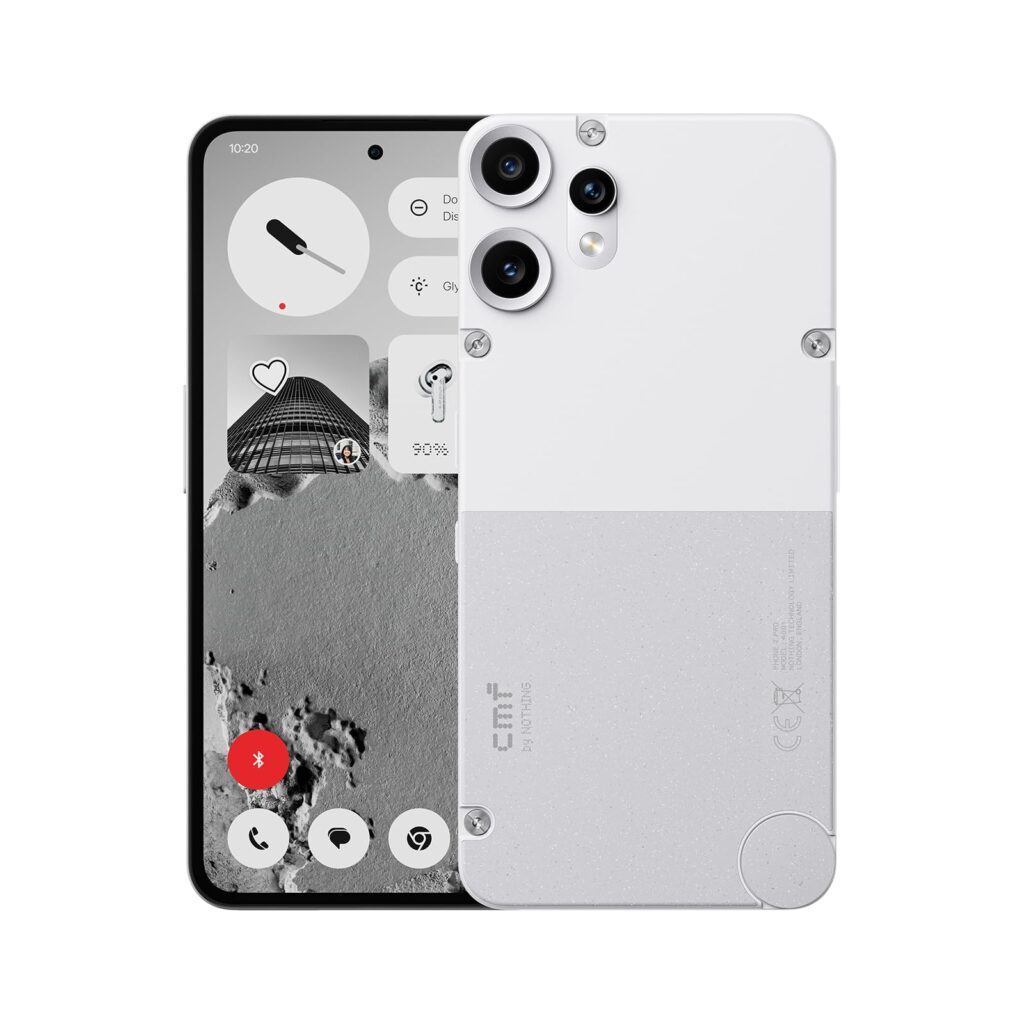
Most budget phones look forgettable. The CMF Phone 2 doesn’t.
The first thing I noticed during testing was how different it felt in hand compared to other phones under $300. The lightweight design, cleaner materials, and minimal software experience make it feel closer to a mid-range device than a true budget phone.
But good design alone isn’t enough. Thankfully, the software experience is equally impressive.
Nothing’s Android interface feels lighter and less cluttered than Xiaomi’s HyperOS or some cheaper Android skins. Animations stay smooth, menus feel cleaner, and there’s far less unnecessary pre-installed software.
That simplicity actually improves day-to-day usability. Apps feel quicker to navigate because the software avoids unnecessary visual clutter.
Compared to the Samsung Galaxy A16 5G, the CMF Phone 2 feels more modern and visually unique. However, Samsung still wins in camera consistency and software longevity.
Why It Beats Competitors
- More premium design than Samsung and Motorola
- Cleaner software experience than Redmi and POCO
- Feels faster in everyday navigation despite similar specs
Pros
- Premium-looking hardware
- Lightweight and comfortable design
- Clean Android experience
- Good display quality
- Fast charging support
Cons
- Camera struggles in low light
- Fewer software update guarantees than Samsung
Best For
Users who care about aesthetics, software cleanliness, and modern design.
3. Redmi Note 15 – Best Battery Life for Most Users
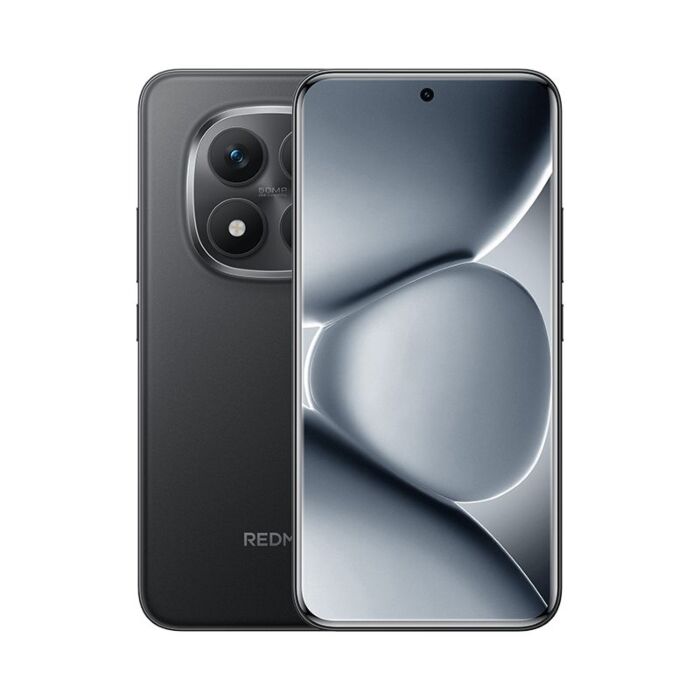
Some phones advertise large batteries but still drain quickly because of poor optimization. The Redmi Note 15 isn’t one of them.
This phone consistently delivered some of the longest battery endurance I experienced during testing. Streaming video, browsing social media, taking photos, and using navigation barely made a dent in the battery.
For most users, that means comfortably reaching the end of the day with power left over — sometimes even into the next morning.
What makes the Redmi Note 15 more impressive than the Moto G Power is that it achieves strong endurance without feeling bulky or slow. Motorola’s phone lasts longer overall, but the Redmi offers a noticeably better display and stronger camera system.
The 108MP main camera captures detailed daylight shots, especially outdoors. It occasionally oversharpens images, but overall image quality remains excellent for the price.
Why It Beats Competitors
- Better display quality than Moto G Power
- Stronger cameras than many battery-focused phones
- Faster charging than Samsung’s budget lineup
Pros
- Outstanding battery life
- Vibrant OLED display
- Very fast charging
- Detailed daylight photography
- Excellent overall value
Cons
- Software includes some unwanted apps
- Camera processing can be inconsistent
Best For
Heavy users who want long battery life without sacrificing display quality.
4. Moto G Power 2026 – Best Phone for Maximum Endurance
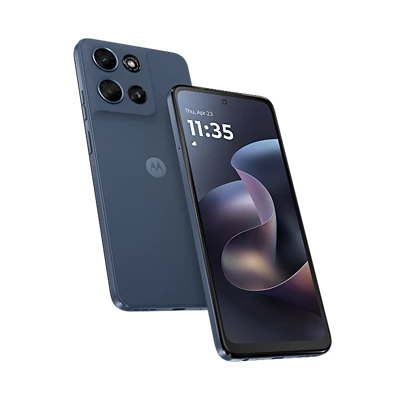
The Moto G Power 2026 takes a different approach from most phones in this category.
Instead of chasing flashy camera specs or ultra-thin designs, Motorola focuses almost entirely on endurance. And honestly, it works.
This was the hardest phone to kill during testing.
Even after long YouTube sessions, GPS usage, and hours of messaging, the battery simply kept going. For travelers, delivery drivers, students, or users constantly away from chargers, that reliability matters more than benchmark performance.
Motorola’s clean Android experience also helps. The software stays simple, responsive, and refreshingly free from heavy bloatware.
Still, the trade-offs are obvious. The LCD display lacks the deep contrast and vibrant colors found on AMOLED competitors like Samsung or Redmi.
Why It Beats Competitors
- Longer battery life than almost every phone under $300
- Cleaner software than many Xiaomi devices
- More practical for heavy daily usage
Pros
- Incredible battery endurance
- Simple Android software
- Expandable storage
- Headphone jack included
- Affordable pricing
Cons
- Display quality trails AMOLED rivals
- Cameras are only average
Best For
Users who care more about battery life and reliability than premium visuals.
5. POCO X7 – Best Gaming Phone Under $300
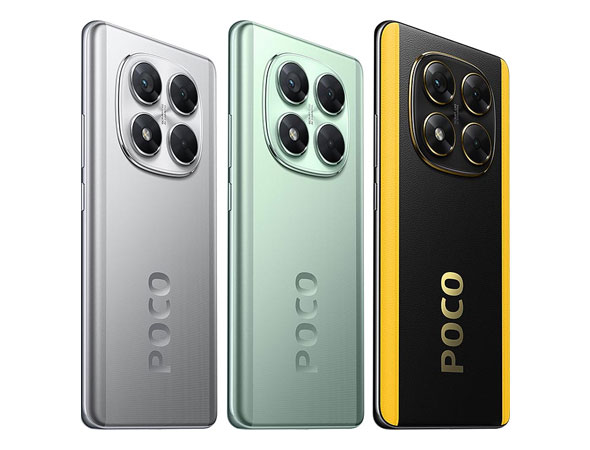
If gaming performance matters most, the POCO X7 clearly pulls ahead of the competition.
The difference became obvious during longer gaming sessions. While some phones started dropping frames or becoming warm after 30–40 minutes, the POCO X7 stayed smoother and more stable.
Its 144Hz AMOLED display also gives games a noticeably more responsive feel. Fast-paced shooters and racing games look smoother here than on Samsung’s or Motorola’s budget models.
The cooling system deserves credit too. Heat management is often overlooked in cheaper phones, but it directly affects gaming consistency over time.
That said, the POCO X7 sacrifices some polish elsewhere. The software feels more cluttered than Samsung or OnePlus, and camera quality remains inconsistent.
Why It Beats Competitors
- Better gaming stability than Samsung Galaxy A16 5G
- Higher refresh rate than most phones in this price range
- Stronger thermal management during extended gameplay
Pros
- Excellent gaming performance
- Smooth 144Hz display
- Strong cooling system
- Fast charging
- Great value hardware
Cons
- Cameras are inconsistent
- Software experience feels busy
Best For
Gamers who want maximum performance on a limited budget.
If you also play PC games, check out our guide to the best gaming laptops under $1500 for powerful options that balance performance, thermals, and value. Check the best gaming laptops under $1500
6. OnePlus Nord N40 – Best Clean Software Experience
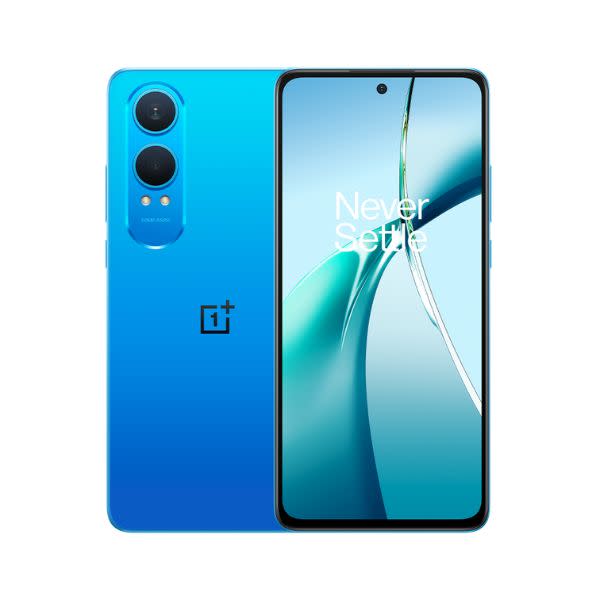
The OnePlus Nord N40 focuses less on flashy hardware and more on overall smoothness.
That may sound boring, but after using dozens of budget phones, software polish genuinely makes a difference.
Animations feel fluid, app switching remains responsive, and the interface avoids the clutter seen on many cheaper Android devices. Even after extended use, the phone still feels quick and stable.
Compared to the CMF Phone 2, the Nord N40 feels slightly more refined for productivity-focused users, while CMF feels more visually creative.
Battery life is solid rather than exceptional, but the fast charging helps compensate for it.
Why It Beats Competitors
- Cleaner software than Redmi and POCO
- More polished multitasking than Motorola
- Better charging speeds than Samsung
Pros
- Smooth software experience
- Fast charging
- Lightweight design
- Good display quality
- Reliable daily performance
Cons
- Cameras weaken in low light
- Speakers are average
Best For
Users who prioritize software smoothness and everyday responsiveness.
How I Tested These Smartphones
I tested these smartphones throughout April–May 2026 across real-world daily usage, including:
- Social media browsing
- Gaming sessions
- Camera testing in daylight and low light
- YouTube and Netflix streaming
- Battery endurance
- Charging speed
- Heat management
- Multitasking performance
- Outdoor visibility
Rather than relying only on benchmark scores, I focused heavily on how these phones actually feel after several days of continuous use.
What Matters Most in a Budget Smartphone in 2026
Display Quality Matters More Than Ever
A good display changes the entire experience of using a phone. AMOLED panels now appear in many budget devices, and they offer noticeably better contrast and smoother visuals than older LCD screens.
Software Optimization Is More Important Than Raw Specs
Some phones have impressive hardware but feel slower because of heavy software. Clean optimization often matters more than having slightly higher benchmark numbers.
Battery Life Depends on Optimization
A larger battery doesn’t automatically mean better endurance. Software efficiency, chipset optimization, and display tuning all play major roles.
Cameras Are Improving Fast
Most budget phones now take good daylight photos. The real difference appears in low-light performance, video stabilization, and image processing quality.
Final Verdict
The Samsung Galaxy A16 5G remains the best overall smartphone under $300 in 2026 because it offers the strongest balance of software support, display quality, camera consistency, and reliability.
Still, every phone on this list excels in a different area:
- Choose the POCO X7 if gaming is your top priority
- Choose the Redmi Note 15 for long battery life and fast charging
- Choose the CMF Phone 2 for premium design and clean software
- Choose the Moto G Power 2026 for unmatched endurance
- Choose the OnePlus Nord N40 for smooth daily performance
The good news is simple: in 2026, you no longer need to spend flagship money to get a genuinely good smartphone experience.
Author
Abel Abera is a technology product specialist with 4+ years of experience sourcing, testing, and evaluating consumer and professional tech — including smartphones, laptops, AI accessories, and productivity software. His reviews focus on real-world usability, long-term value, and helping buyers understand how devices actually perform beyond marketing specifications.