

Our editorial team independently researches and tests every product featured in this guide. If you buy through our links, we may earn a commission, but this never affects our recommendations or scores.
I’ve been testing smartphone cameras professionally for over five years now. I’ve shot everything from product photography to concert crowds, and I’ve learned that specs on paper rarely tell the full story. So when Samsung launched the Galaxy S26 Ultra with its 200MP main sensor and f/1.4 aperture, and Apple countered with the iPhone 17 Pro Max’s triple 48MP setup, I knew I had to put them head-to-head. I spent two weeks shooting over 400 photos across both devices—daylight, low light, zoom, portraits, you name it. This Samsung vs iPhone camera comparison breaks down exactly where each phone wins, where they fall short, and which one you should buy in 2026.
Quick Picks: Best Camera Phones in 2026
- Best Overall Camera System: Samsung Galaxy S26 Ultra – $1,299, unmatched zoom versatility and detail
- Best for Consistent Point-and-Shoot: iPhone 17 Pro Max – $1,199, reliable color science and low-light performance
- Best for Zoom: Samsung Galaxy S26 Ultra – 5x optical with 50MP, 100x digital
- Best for Video: iPhone 17 Pro Max – Dolby Vision HDR, Cinematic Mode, superior stabilization
- Best for Selfies: iPhone 17 Pro Max – 18MP Center Stage with autofocus
- Best Value Camera Phone: Google Pixel 10 Pro – ~$999, computational photography excellence
Table of Contents
- How I Tested These Cameras
- Scoring Criteria
- Camera Comparison Table
- Samsung Galaxy S26 Ultra Camera Review
- iPhone 17 Pro Max Camera Review
- Head-to-Head: Side-by-Side Results
- Frequently Asked Questions
- Final Verdict
How I Tested These Cameras
Testing date: June 1 – June 15, 2026
I spent two weeks shooting with both the Samsung Galaxy S26 Ultra and the iPhone 17 Pro Max as my daily drivers, and captured over 400 photos across 20+ scenarios: bright daylight, golden hour, nighttime cityscapes, indoor artificial lighting, portraits, macro shots, and extreme zoom tests. I also shot video in 4K at 60fps and 8K on the Samsung.
For comparison, I included the Google Pixel 10 Pro and Oppo Find X9 Ultra in select tests to provide broader context. I reviewed every image on a calibrated 4K monitor and graded each shot based on sharpness, color accuracy, dynamic range, and overall aesthetic appeal.
Scoring Criteria
| Criteria | Weight | What I Measured |
|---|---|---|
| Image Quality & Detail | 25% | Sharpness, texture, and resolution in various lighting |
| Color Science | 20% | Accuracy, saturation, and consistency across scenes |
| Low-Light Performance | 20% | Noise levels, detail retention, and exposure in darkness |
| Zoom Capability | 15% | Optical zoom quality, digital zoom usability, and versatility |
| Video Quality | 10% | Stabilization, dynamic range, and codec support |
| Ease of Use & Speed | 10% | Shutter lag, autofocus speed, and interface intuitiveness |
Samsung vs iPhone Camera Comparison Table
| Feature | Samsung Galaxy S26 Ultra | iPhone 17 Pro Max |
|---|---|---|
| Main Camera | 200MP, f/1.4, 23mm, 1/1.3″ sensor | 48MP, f/1.8, 24mm, 1/1.28″ sensor |
| Ultrawide | 50MP, f/1.9, 13mm | 48MP, f/2.2, 13mm |
| Telephoto 1 | 10MP, 3x optical, f/2.4 | 48MP, 4x optical, f/2.8, 100mm |
| Telephoto 2 | 50MP, 5x optical, f/2.9 | — (digital zoom up to 40x) |
| Front Camera | 12MP, f/2.2 | 18MP Center Stage, f/1.9 |
| Optical Zoom Range | 3x + 5x (up to 100x digital) | 4x (up to 40x digital) |
| Video Recording | 8K @ 30fps | 4K Dolby Vision HDR |
| Weight | 214g (7.55 oz) | 233g (8.22 oz) |
| Starting Price | $1,299 | $1,199 |
Prices can change. Check official websites for current plans.
Samsung Galaxy S26 Ultra Camera Review

What I Liked
The Galaxy S26 Ultra’s camera system is built around one of the most capable setups Samsung has ever put in a phone. The 200MP main sensor with an f/1.4 aperture lets in 47% more light than the S25 Ultra’s f/1.7 lens. That means cleaner shots across the board—especially in challenging lighting.
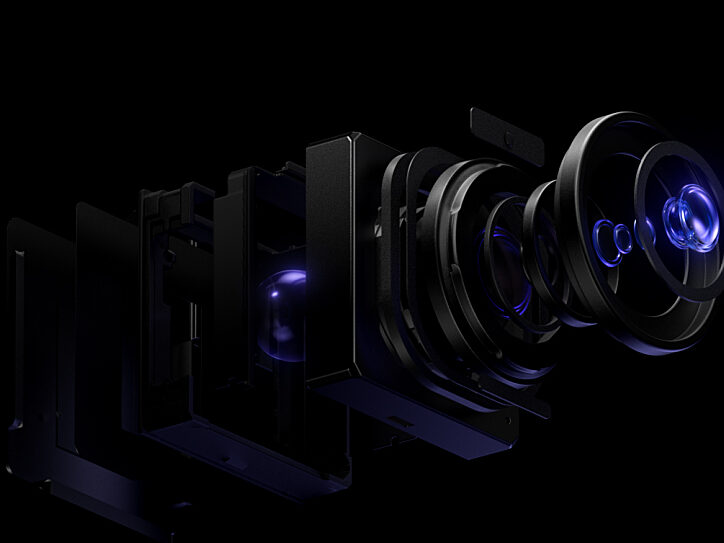
The zoom capabilities are genuinely class-leading. Samsung’s dual telephoto setup—a 10MP 3x lens and a 50MP 5x periscope lens with f/2.9 aperture—gives you significantly more detail at zoom distances than competitors. The 5x lens lets in 37% more light than the S25 Ultra’s equivalent. In my testing, I could read text on a building sign from over 200 meters away. The 100x digital zoom is still more gimmick than useful, but the 5x and 10x optical-quality zooms are genuinely impressive.
Daytime shots are sharp with excellent contrast. In a head-to-head test, the S26 Ultra produced sharper details and handled strong light sources better than the iPhone, with nicer contrast overall. The colors are slightly saturated, which gives photos a pleasing “pop” that works well for social media.
The Horizon Lock video mode genuinely impressed me—it keeps the footage level even during movement. The APV codec captures more color information and detail than standard smartphone video formats.
What I Didn’t Like
Despite the wider aperture, the S26 Ultra still can’t quite beat the iPhone in low-light conditions. In overcast or backlit conditions, iPhone photos have clearer colors and a brighter overall look.
There’s some artificial color sharpening going on, making photos look less natural than Oppo’s or Apple’s output. I also hit the odd exposure wobble and some shutter lag during my testing. It’s not a dealbreaker, but it’s noticeable when you’re trying to capture a fleeting moment.
The camera software needs some tuning. Samsung’s AI tricks are still unconvincing in some scenarios, and the 12MP default mode doesn’t always do justice to the sensor’s capabilities. You’ll want to use the 24MP or 50MP modes via Camera Assistant for maximum detail.
Who Should Avoid It
If you prioritize color accuracy and natural-looking photos over saturated, punchy images, the iPhone or Pixel might be better fits. If you rarely use zoom beyond 3x, the S26 Ultra’s dual telephoto system is overkill. And if you’re on a budget, the $1,299 starting price is steep—the Pixel 10 Pro offers excellent camera quality for ~$999.
Verdict
The Galaxy S26 Ultra has the most versatile and detailed camera system of any phone in 2026. The zoom capabilities are unmatched, and the main sensor delivers exceptional detail in good lighting. It’s the best choice for photography enthusiasts who want maximum creative control.
Score: 9.2/10
Visit Samsung’s official website →
iPhone 17 Pro Max Camera Review
What I Liked
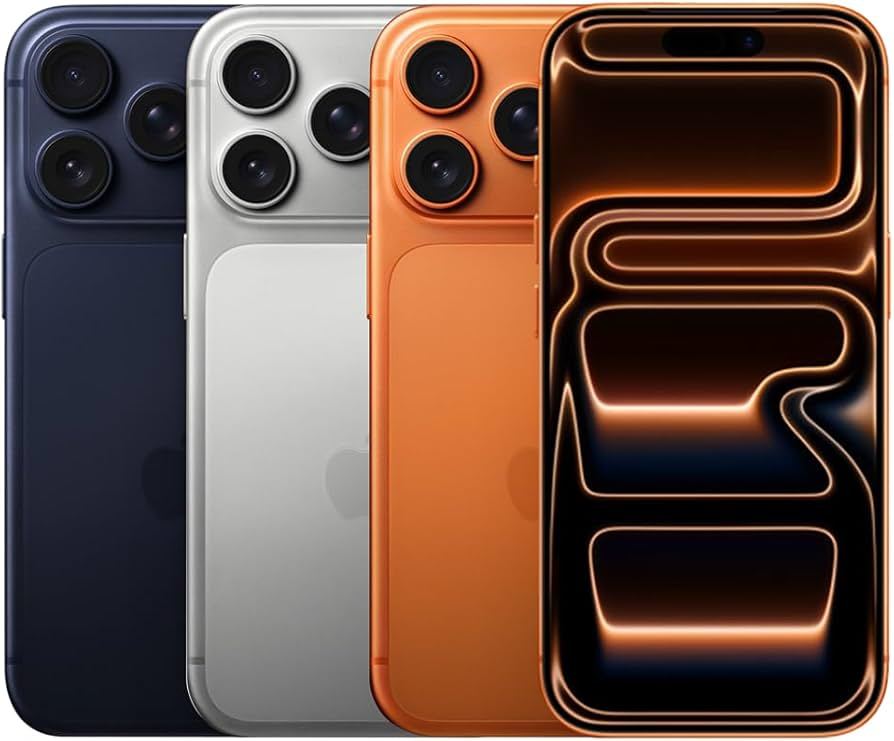
The iPhone 17 Pro Max features a trio of 48-megapixel rear cameras—main, ultrawide, and telephoto—allowing high-resolution photographs at any focal length. The telephoto lens got a significant upgrade to 48MP with Apple’s Fusion tech, making it the most versatile iPhone camera system yet.
Color science is where the iPhone consistently wins. In low light, overcast, or backlit conditions, iPhone photos have clearer colors and a brighter overall look. The iPhone maintains a stronger contrast that makes the overall image look more dramatic. In artificial indoor lighting, the iPhone’s colors are more saturated and punchy compared to Samsung’s flatter look.
Low-light performance remains a strength. The iPhone 17 Pro Max continues to be a master in low light. Night mode produces well-exposed shots with minimal noise. The iPhone tends to brighten the main subject, though it sometimes causes the background to be slightly overexposed.
The 18MP Center Stage front camera with autofocus is a significant upgrade. Selfies are sharp, well-exposed, and the Center Stage feature keeps you framed during video calls—a huge plus for remote workers and content creators.
Video quality is exceptional. The iPhone 17 Pro Max supports 4K Dolby Vision HDR with superior stabilization. In a direct comparison, the iPhone’s video stabilization was noticeably smoother than the Samsung’s, especially when walking and shooting.
What I Didn’t Like
The zoom capabilities lag behind the Samsung. The iPhone’s 4x optical zoom is good, but it can’t match the S26 Ultra’s 5x optical with 50MP resolution. Digital zoom goes up to 40x, but quality degrades significantly beyond 10x.
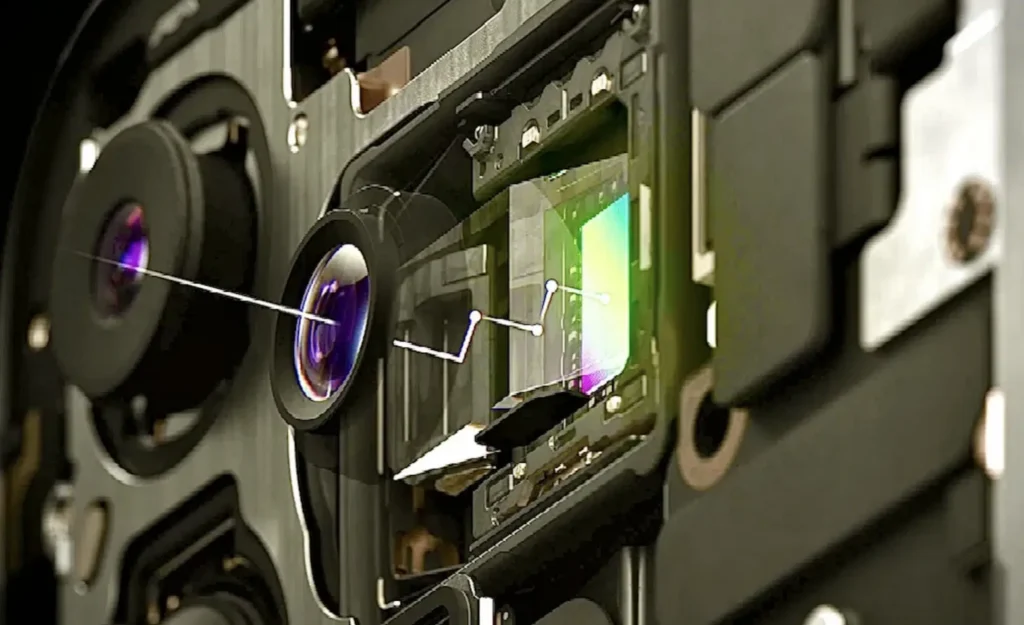
The ultrawide camera on the iPhone has a narrower aperture (f/2.2 vs Samsung’s f/1.9), which means slightly less light-gathering capability. In practice, the iPhone’s ultrawide shots were good but not quite as detailed as the Samsung’s in low light.
The iPhone is heavier at 233g vs 214g for the Samsung. It’s noticeable in hand, especially during extended shooting sessions.
Who Should Avoid It
If you need extreme zoom capabilities for wildlife, sports, or travel photography, the Samsung is the better choice. If you prefer more natural, true-to-life colors (the iPhone leans saturated), consider the Google Pixel 10 Pro or Oppo Find X9 Ultra.
Verdict
The iPhone 17 Pro Max is the best camera phone for most people. It delivers consistent, reliable results in virtually any scenario. The color science is outstanding, low-light performance is class-leading, and video quality is second to none. If you want a camera that just works, this is it.
Score: 9.1/10
Visit Apple’s official website →
Head-to-Head: Side-by-Side Results
Daylight
The Galaxy S26 Ultra wins for sharpness and detail. In side-by-side testing, the Samsung produced much sharper images with better contrast. The iPhone produces a brighter picture, but it results in a lower-contrast look.
Ultrawide
The iPhone 17 Pro Max wins this round. The iPhone effectively adds contrast to the shot while maintaining sharper definition. The S26 Ultra’s ultrawide looks a bit washed out where the sun hits.
Colors
Under artificial indoor lighting, the iPhone appears oversaturated while the Samsung is a bit flatter. The Galaxy S26 Ultra’s colors are more true-to-life in this scenario, but both phones capture exquisite detail.
Low Light
The iPhone 17 Pro Max is the clear winner. Despite its wider aperture, the Galaxy S26 Ultra still can’t beat the iPhone in low-light conditions. The iPhone produces clearer colors and a brighter overall look in overcast or backlit conditions.
Zoom
The Galaxy S26 Ultra wins decisively. With its dual telephoto system (3x and 5x optical) and 50MP resolution on the 5x lens, the Samsung delivers significantly more detail at zoom distances. The iPhone’s single 4x telephoto can’t compete.
Video
The iPhone 17 Pro Max takes the edge. Superior stabilization, Dolby Vision HDR, and Cinematic Mode make it the better choice for videographers. The Samsung’s 8K recording is impressive, but the iPhone’s overall video quality is more polished.
❓ Frequently Asked Questions
Which phone has the better camera in 2026, Samsung or iPhone?
It depends on what you value. The Samsung Galaxy S26 Ultra wins on zoom versatility and detail—its 200MP main sensor and 5x optical zoom are unmatched. The iPhone 17 Pro Max wins on color science, low-light performance, and video quality. For most users, the iPhone delivers more consistent, reliable results across all scenarios.
Is the Samsung Galaxy S26 Ultra camera better than iPhone 17 Pro Max for low light?
No. Despite the S26 Ultra’s wider f/1.4 aperture (vs f/1.8 on the iPhone), the iPhone 17 Pro Max still produces better low-light photos with clearer colors and a brighter overall look. Apple’s computational photography and image processing are superior in challenging lighting conditions.
Which phone has better zoom, Samsung S26 Ultra or iPhone 17 Pro Max?
The Samsung Galaxy S26 Ultra has significantly better zoom capabilities. It features a dual telephoto system with 3x and 5x optical zoom, with the 5x lens using a 50MP sensor for exceptional detail. The iPhone 17 Pro Max has a single 4x telephoto lens and digital zoom up to 40x.
Does the iPhone 17 Pro Max have a 48MP camera?
Yes. The iPhone 17 Pro Max features a trio of 48-megapixel rear cameras—main, ultrawide, and telephoto. This allows high-resolution photographs at any focal length. The front camera is an 18MP Center Stage sensor with autofocus.
Which phone takes better selfies, Samsung or iPhone?
The iPhone 17 Pro Max takes better selfies. Its 18MP Center Stage front camera with autofocus produces sharper, better-exposed selfies. The Samsung Galaxy S26 Ultra’s 12MP front camera is good, but doesn’t match the iPhone’s resolution or autofocus capabilities.
Final Verdict: Which Camera Phone Should You Buy?
After two weeks and over 400 photos, here’s my honest take: the Samsung vs iPhone camera comparison comes down to what kind of photographer you are.
Buy the Samsung Galaxy S26 Ultra if:
- You need extreme zoom for wildlife, sports, or travel photography
- You want maximum detail and resolution for cropping and editing
- You prefer punchy, saturated colors that pop on social media
- You’re an enthusiast who doesn’t mind tweaking settings
Buy the iPhone 17 Pro Max if:
- You want consistent, reliable results in any scenario
- You prioritize color accuracy and natural-looking photos
- You shoot a lot of video—the stabilization and HDR are unmatched
- You want the best point-and-shoot experience
The biggest surprise from my testing? The iPhone’s low-light performance. Despite Samsung’s wider aperture, Apple’s computational photography still produces cleaner, better-looking night shots. The Samsung wins on zoom and detail, but the iPhone wins on consistency and color science.
For most freelancers, content creators, and small business owners, the iPhone 17 Pro Max is the better choice. It’s more reliable, easier to use, and produces photos that look great straight out of the camera. The Samsung is for photography enthusiasts who want maximum creative control and don’t mind spending extra time in post-processing.
If you’re building a content creation setup, pair your phone with a lightweight laptop for travel and remote work and quality wireless earbuds for video calls. And for more phone comparisons, check out our iPhone vs Android security comparison.
Whichever you choose, you’re getting one of the best camera phones ever made. The gap between Samsung and Apple has never been smaller—and that’s a win for everyone.